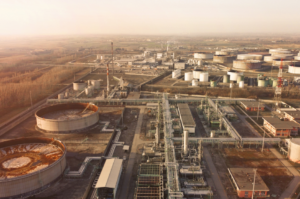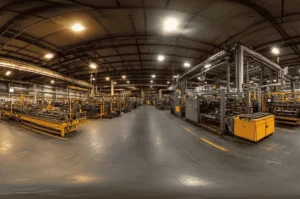

Saudi Arabia is rapidly transforming into a global industrial and manufacturing powerhouse. Through Vision 2030, the Kingdom is actively diversifying its economy, reducing dependence on oil revenues, and encouraging investments in manufacturing, logistics, renewable energy, pharmaceuticals, food processing, automotive production, and advanced industrial technologies.
As industrial development accelerates, demand for strategically located industrial land continues to increase. Whether you are a local entrepreneur, an international manufacturer, or a multinational corporation looking to expand into the Gulf region, securing the right industrial land is one of the most critical decisions in your investment journey.
Industrial land acquisition in Saudi Arabia involves much more than selecting a plot and starting construction. Investors must evaluate infrastructure readiness, zoning regulations, utility availability, licensing requirements, environmental obligations, workforce accessibility, and future expansion opportunities.
This comprehensive guide explores every aspect of industrial land acquisition in Saudi Arabia, helping investors make informed decisions and establish successful industrial operations.
Vision 2030 has placed industrial development at the center of Saudi Arabia’s economic strategy. The government has launched numerous initiatives designed to attract foreign direct investment and strengthen domestic manufacturing capabilities.
Key objectives include:
To support these goals, Saudi Arabia continues to invest heavily in industrial cities, logistics hubs, transportation networks, ports, and utility infrastructure.
As a result, industrial land has become a valuable asset for businesses seeking long-term growth in the Kingdom.
The location of an industrial facility directly impacts operational efficiency, production costs, logistics performance, and business scalability.
Choosing the wrong location can lead to:
Conversely, selecting the right industrial land can provide:
Facilities located near major highways, ports, airports, and distribution centers benefit from reduced transportation expenses and improved supply chain efficiency.
Strategically located facilities can serve regional and international markets more effectively.
Reliable infrastructure and utilities help manufacturers maintain consistent production schedules.
Industrial land with expansion potential allows businesses to increase production capacity without relocating operations.
Designated industrial zones are often designed to meet regulatory and environmental standards, simplifying compliance requirements.
Saudi Arabia has established numerous industrial cities and specialized zones to support manufacturing and industrial growth.
These zones offer investors:
Industrial zones are designed to reduce setup challenges and accelerate project implementation.
Most industrial zones provide:
These integrated ecosystems help businesses operate more efficiently while maintaining compliance with regulatory requirements.
Several sectors continue to generate significant demand for industrial land across Saudi Arabia.
Saudi Arabia’s growing population and food security initiatives are driving investments in food processing and packaging facilities.
Healthcare expansion and localization programs have created opportunities for pharmaceutical production facilities.
The Kingdom remains a major global player in chemical manufacturing and industrial processing.
Growing demand for industrial diversification has encouraged investment in automotive assembly and engineering operations.
Solar energy equipment manufacturing and related industries continue to expand.
E-commerce growth and regional trade activity have increased demand for logistics facilities and distribution centers.
Before selecting industrial land, investors should define:
A clear understanding of operational requirements ensures the selected site supports long-term objectives.
Infrastructure availability is one of the most important considerations.
Investors should evaluate:
Infrastructure deficiencies can significantly increase development costs.
Efficient logistics are essential for industrial success.
Ideal locations provide access to:
Strong transportation connectivity reduces supply chain disruptions and lowers operating expenses.
Access to skilled labor is a major consideration when selecting industrial land.
Businesses should evaluate:
A strong labor pool supports efficient operations and future growth.
Different industrial activities may be subject to varying environmental obligations.
Investors should assess:
Early consideration of environmental requirements can prevent costly project delays.
The process typically begins with a detailed feasibility study that evaluates:
A comprehensive feasibility study helps identify the most suitable location and development strategy.
Before applying for industrial land, investors generally need:
Proper business establishment forms the foundation for subsequent approvals.
Potential locations should be evaluated based on:
Detailed site inspections can reveal potential challenges before significant investments are made.
Industrial land applications typically require:
Accurate documentation improves approval efficiency.
Authorities evaluate applications to ensure:
Additional clarifications may be requested during the review process.
Following approval, businesses can proceed with:
Many industrial projects experience delays due to avoidable issues.
Common challenges include:
Missing information can significantly extend approval timelines.
A poorly chosen location may create operational inefficiencies and compliance challenges.
Industrial projects often require substantial power and water resources.
Industries with higher environmental impacts may require extensive assessments.
Site preparation and infrastructure requirements can affect project schedules.
Professional planning helps mitigate these risks and improves project outcomes.
To maximize success, investors should:
These practices reduce risk and improve investment outcomes.
Factory Setup Saudi provides comprehensive support for businesses establishing industrial operations across the Kingdom.
Our services include:
Our team helps investors navigate complex regulatory requirements while accelerating project implementation.
Industrial land acquisition is one of the most important decisions an investor will make when establishing a manufacturing or industrial facility in Saudi Arabia. The right location supports operational efficiency, regulatory compliance, workforce accessibility, and future expansion opportunities.
With Saudi Arabia continuing to expand its industrial ecosystem under Vision 2030, businesses that secure strategically positioned industrial land today will be well positioned for long-term growth and success.
Careful planning, thorough due diligence, and professional guidance can help investors navigate the acquisition process confidently and unlock the significant opportunities available within Saudi Arabia’s rapidly growing industrial sector.
Get in touch with our team for trusted guidance and prompt support. We’re here to help you move forward with confidence.