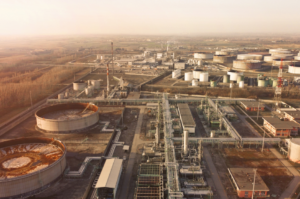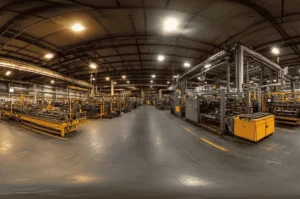


In today’s competitive industrial landscape, unplanned equipment failure can lead to significant production losses, safety risks, and increased operational costs. Industries across manufacturing, oil & gas, energy, and heavy engineering are increasingly adopting predictive maintenance strategies to improve reliability and optimise plant performance. By leveraging advanced monitoring systems and data-driven insights, industrial businesses can minimise downtime, extend asset lifespan, and improve operational efficiency.
Predictive maintenance is a proactive industrial maintenance strategy that uses real-time data, equipment monitoring, and performance analytics to predict potential failures before they occur. Unlike reactive maintenance, which addresses problems after breakdowns, predictive maintenance helps organisations identify issues early and schedule repairs at the right time.
This approach combines technologies such as:
By analysing operational data continuously, businesses can make informed maintenance decisions and prevent costly shutdowns.
Industrial facilities rely heavily on complex machinery and interconnected systems. Unexpected equipment failures can disrupt entire operations and affect profitability. Predictive maintenance offers several strategic advantages for industrial service providers and plant operators.
Unexpected shutdowns can halt production for hours or even days. Predictive maintenance identifies warning signs before equipment failure occurs, allowing maintenance teams to take preventive action and avoid operational interruptions.
Continuous monitoring helps maintain optimal machine performance. Early issue detection reduces wear and tear on critical assets, improving overall reliability and operational stability.
Traditional maintenance schedules often result in unnecessary servicing or emergency repairs. Predictive maintenance optimises maintenance frequency, reducing labour costs, spare part expenses, and emergency breakdown repairs.
Industrial equipment failures can create hazardous working conditions. By detecting faults early, predictive maintenance contributes to safer industrial environments and supports compliance with safety regulations.
Regular condition-based maintenance improves equipment health and prolongs the life of industrial assets, reducing the need for premature replacements.
Predictive maintenance solutions are transforming multiple industrial sectors, including:
Oil refineries, drilling facilities, and petrochemical plants rely on uninterrupted operations. Predictive maintenance helps prevent equipment failures in compressors, pumps, turbines, and pipelines.
Manufacturers use predictive maintenance to optimise production line performance, reduce machine downtime, and improve production efficiency.
Power generation facilities utilise condition monitoring systems to maintain turbines, generators, transformers, and electrical infrastructure efficiently.
Industrial processing plants benefit from predictive analytics to maintain rotating equipment, conveyors, motors, and automated systems.
Modern industrial services integrate advanced technologies to improve maintenance accuracy and operational visibility.
IoT-enabled devices collect real-time operational data from industrial equipment, enabling continuous monitoring and predictive analysis.
AI-powered systems analyse historical and real-time data patterns to predict potential equipment failures and maintenance requirements.
Cloud solutions allow industrial operators to access maintenance data remotely, improving decision-making and operational responsiveness.
Digital twins create virtual models of industrial assets, helping engineers simulate performance scenarios and identify maintenance risks.
A successful predictive maintenance program requires a structured approach.
Identify critical equipment that directly impacts production, safety, and operational continuity.
Deploy sensors and monitoring technologies to collect equipment performance data continuously.
Use advanced analytics platforms to interpret operational trends and identify abnormal equipment behaviour.
Ensure maintenance personnel are equipped with the technical skills needed to manage predictive maintenance systems effectively.
Predictive maintenance should align with broader operational strategies, shutdown planning, and asset management objectives.
As industries continue embracing digital transformation, predictive maintenance will become a core component of industrial operations. Smart factories, connected infrastructure, and AI-driven maintenance systems are reshaping how industrial services are delivered.
Organisations investing in predictive maintenance gain a competitive advantage through improved productivity, reduced operational risk, and enhanced asset performance. Industrial service providers that adopt advanced maintenance technologies can help clients achieve greater efficiency, sustainability, and long-term operational resilience.
Predictive maintenance is revolutionising industrial services by shifting maintenance from reactive repairs to intelligent, data-driven decision-making. With the integration of IoT, AI, and advanced analytics, industries can significantly reduce downtime, improve equipment reliability, and optimise operational performance.
Businesses seeking long-term operational efficiency should prioritise predictive maintenance strategies as part of their industrial asset management approach. By embracing proactive maintenance solutions, industrial organisations can improve safety, reduce costs, and maintain uninterrupted productivity in an increasingly competitive market.
Get in touch with our team for trusted guidance and prompt support. We’re here to help you move forward with confidence.