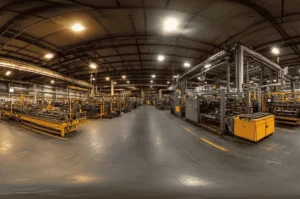
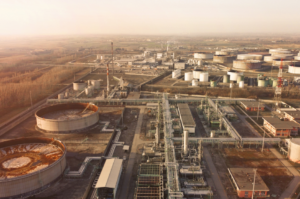
Saudi Arabia’s industrial sector is entering a transformative phase driven by economic diversification, advanced manufacturing, and strategic government initiatives. As the Kingdom accelerates its journey under Vision 2030, industries across manufacturing, logistics, construction materials, energy, and technology are expanding rapidly. This evolution is not only reshaping the domestic economy but also positioning Saudi Arabia as a global industrial hub connecting Asia, Europe, and Africa.
For investors, manufacturers, and industrial service providers, understanding the structure, benefits, and future of the industrial sector in Saudi Arabia is essential for long-term success.
Industrial Development Under Vision 2030
The transformation of the Saudi industrial landscape is strongly aligned with Saudi Vision 2030. The government has prioritized industrial growth to reduce dependency on oil revenues and create a diversified, knowledge-based economy. Through strategic reforms, financial incentives, and infrastructure expansion, the Kingdom is actively attracting both local and foreign investors into industrial activities.
Industrial cities, special economic zones, and logistics corridors are being developed across major regions including Riyadh, Eastern Province, and Jeddah. These zones provide advanced infrastructure, integrated utilities, and streamlined licensing procedures that simplify the setup process for industrial businesses.
Key Industrial Sectors Driving Growth
Saudi Arabia’s industrial sector is diverse and rapidly evolving. Petrochemicals remain a dominant contributor, supported by globally competitive players like Saudi Basic Industries Corporation, which has established the Kingdom as a major exporter of chemical products worldwide.
Beyond petrochemicals, the Kingdom is witnessing strong growth in construction materials manufacturing, metal fabrication, food processing, pharmaceutical production, renewable energy components, and advanced manufacturing technologies. The expansion of mining and mineral processing industries further strengthens Saudi Arabia’s position as a key industrial economy in the region.
Industrial automation, artificial intelligence integration, and smart factory models are increasingly becoming part of the Saudi manufacturing ecosystem, helping businesses improve efficiency, reduce operational costs, and meet global standards.
Benefits of Investing in the Saudi Industrial Sector
Saudi Arabia offers a highly competitive investment environment for industrial companies. The Kingdom provides access to affordable energy resources, modern infrastructure, and a growing domestic market with strong purchasing power.
Foreign investors benefit from 100% ownership in many industrial sectors, simplified licensing procedures, and government-backed funding programs. In addition, the country’s strategic geographic location provides direct trade connectivity to GCC countries, Africa, Asia, and Europe.
The availability of skilled and semi-skilled workforce, along with ongoing workforce nationalization programs, ensures sustainable employment development within the sector.
Licensing and Regulatory Framework
Industrial businesses in Saudi Arabia must obtain appropriate approvals and licenses before commencing operations. Regulatory authorities streamline the licensing process through digital platforms and coordinated approvals. Environmental compliance, safety standards, and zoning requirements are clearly structured to maintain industrial sustainability.
Government initiatives continue to focus on improving ease of doing business, reducing bureaucratic procedures, and enhancing transparency across industrial activities.
Sustainability and Green Industrial Transformation
Sustainability is becoming a core component of Saudi Arabia’s industrial strategy. Renewable energy integration, carbon reduction initiatives, and environmentally responsible manufacturing processes are gaining momentum.
The Kingdom is investing in solar and wind energy projects to support industrial power demands while reducing environmental impact. Green industrial practices are expected to become a competitive advantage for companies operating in the Saudi market.
Future Outlook of the Saudi Industrial Sector
The future of Saudi Arabia’s industrial sector is highly promising. With continued infrastructure development, foreign investment attraction, and digital transformation initiatives, the Kingdom is positioned to become one of the leading industrial economies in the Middle East.
Emerging sectors such as electric vehicle manufacturing, aerospace components, defense industries, and advanced materials production are expected to witness substantial growth in the coming years.
As Vision 2030 progresses, industrial businesses that align with innovation, sustainability, and global competitiveness will find significant opportunities within the Saudi market.
Conclusion
Saudi Arabia’s industrial sector is undergoing a historic transformation fueled by strategic reforms, infrastructure expansion, and investor-friendly policies. With strong government support, modern industrial cities, and expanding global trade connections, the Kingdom presents substantial opportunities for manufacturers, suppliers, and industrial service providers.
For businesses seeking long-term growth in the Middle East, the Saudi industrial landscape offers a stable, scalable, and future-ready environment that continues to evolve with global economic trends.