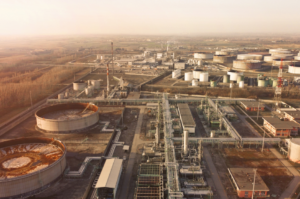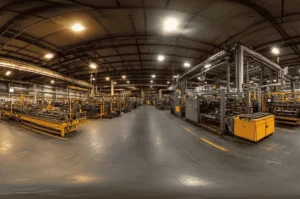


Saudi Arabia’s industrial sector is experiencing unprecedented growth as the Kingdom continues to diversify its economy under Vision 2030. New manufacturing facilities, industrial parks, logistics hubs, and production plants are being established across the country, creating significant opportunities for local and international investors. While this growth contributes to economic development, it also increases the responsibility of industries to manage their environmental impact effectively. One of the most critical aspects of environmental compliance is industrial waste management. Every manufacturing operation generates waste in some form, whether through production processes, packaging activities, maintenance procedures, or raw material handling. Improper disposal of industrial waste can lead to environmental contamination, regulatory penalties, operational disruptions, and reputational damage. As a result, Saudi Arabia has implemented comprehensive regulations that require manufacturing facilities to manage waste responsibly throughout its lifecycle. Understanding industrial waste management regulations in Saudi Arabia is not only essential for obtaining operational approvals but also for maintaining long-term sustainability and compliance. Manufacturers that establish effective waste management systems can reduce environmental risks, improve operational efficiency, and demonstrate their commitment to responsible industrial practices.
As industrialization accelerates across the Kingdom, environmental sustainability has become a central focus of national development strategies. Saudi Arabia is actively promoting responsible manufacturing practices that balance economic growth with environmental protection. Government authorities are increasingly emphasizing the need for industries to adopt modern waste management solutions that minimize pollution and support sustainable resource utilization. Manufacturing facilities often produce various waste streams that can affect air quality, water resources, and land ecosystems if not handled properly. Industrial waste management therefore plays a vital role in protecting natural resources while ensuring that industrial activities continue to support economic growth. Effective waste management systems help companies identify opportunities for waste reduction, material recovery, recycling, and resource optimization, creating both environmental and financial benefits. For investors establishing a factory in Saudi Arabia, waste management should be considered during the early stages of project planning rather than as a regulatory requirement addressed after operations begin. Integrating environmental considerations into facility design and operational planning can significantly improve compliance outcomes and reduce future costs.
Industrial waste encompasses a wide range of materials generated during manufacturing and production activities. The nature and volume of waste produced depend largely on the industry sector, production methods, raw materials used, and operational scale of the facility. In sectors such as food processing, waste may include organic materials, packaging residues, wastewater, and expired products. Metal fabrication facilities typically generate metal scrap, lubricants, chemical residues, and wastewater from cleaning processes. Chemical and pharmaceutical manufacturers may produce hazardous waste streams that require specialized handling and disposal procedures. Because different waste categories present different environmental risks, regulatory authorities require manufacturers to classify waste accurately and implement appropriate management practices. Proper waste classification forms the foundation of an effective environmental compliance strategy and helps ensure that waste is handled according to applicable regulations.
Environmental compliance is no longer viewed solely as a legal obligation. It has become an important component of business performance and corporate responsibility. Customers, investors, business partners, and government authorities increasingly expect manufacturers to demonstrate strong environmental stewardship and sustainable operational practices. Failure to comply with waste management regulations can result in financial penalties, operational delays, suspension of permits, and reputational damage. In contrast, businesses that maintain strong environmental compliance records often benefit from improved stakeholder confidence, smoother regulatory approvals, and enhanced market credibility. For manufacturing facilities operating in competitive industries, environmental performance can also become a differentiating factor. Companies that invest in sustainable waste management systems often discover opportunities to reduce material waste, lower disposal costs, improve production efficiency, and support broader sustainability objectives.
A successful waste management strategy begins with understanding how waste is generated throughout the manufacturing process. Facilities should conduct comprehensive waste assessments to identify waste sources, evaluate waste volumes, and determine opportunities for reduction and recovery. Once waste streams have been identified, manufacturers can implement targeted measures to minimize waste generation at the source. This may involve improving production processes, optimizing material usage, upgrading equipment, or adopting cleaner technologies. Preventing waste generation is generally more cost-effective than managing waste after it has been created. Manufacturers should also establish clear procedures for waste collection, segregation, storage, transportation, treatment, and disposal. Each stage of the waste management process should be documented and monitored to ensure ongoing compliance with environmental requirements. Employee awareness and training are equally important. Workers who understand proper waste handling procedures are more likely to contribute to compliance efforts and support the organization’s environmental objectives.
Modern industrial facilities are increasingly adopting waste reduction strategies as part of broader operational efficiency programs. Rather than viewing waste as an unavoidable by-product of production, many manufacturers now consider waste materials as potential resources that can be recovered, recycled, or reused. Resource efficiency initiatives help businesses reduce raw material consumption, lower disposal costs, and decrease environmental impact. Recycling programs, process optimization projects, and circular economy principles are becoming more common across industrial sectors in Saudi Arabia. For example, metal manufacturing facilities can recycle production scrap and reintroduce recovered materials into the manufacturing process. Packaging waste can often be recycled or reused, while certain industrial by-products may be converted into alternative materials for other applications. These initiatives not only improve sustainability but also contribute to long-term cost savings.
Industrial waste management has become a fundamental aspect of operating a manufacturing facility in Saudi Arabia. As the Kingdom continues to strengthen its environmental framework and expand its industrial sector, manufacturers must ensure that waste is managed responsibly and in accordance with regulatory requirements. Businesses that implement comprehensive waste management strategies can improve compliance, enhance operational efficiency, reduce environmental risks, and support Saudi Arabia’s vision for sustainable industrial development.
Get in touch with our team for trusted guidance and prompt support. We’re here to help you move forward with confidence.