Saudi Arabia is undergoing a major industrial transformation. As part of its long-term economic diversification strategy, the Kingdom is building a strong, sustainable manufacturing sector supported by advanced infrastructure, government-backed financing, and structured regulatory frameworks.
For investors looking to establish a factory or manufacturing unit in Saudi Arabia, understanding the industrial landscape is essential. From licensing and land allocation to financing and compliance, every step requires proper planning and coordination.
This guide outlines the key elements involved in setting up an industrial project in Saudi Arabia.
Why Saudi Arabia Is a Strategic Industrial Destination
Saudi Arabia offers unique advantages that make it one of the strongest industrial hubs in the region.
Strategic Geographic Position
The Kingdom connects Asia, Europe, and Africa, providing manufacturers with efficient access to regional and global markets. Its ports, logistics corridors, and trade networks support export-oriented industries.
Advanced Industrial Infrastructure
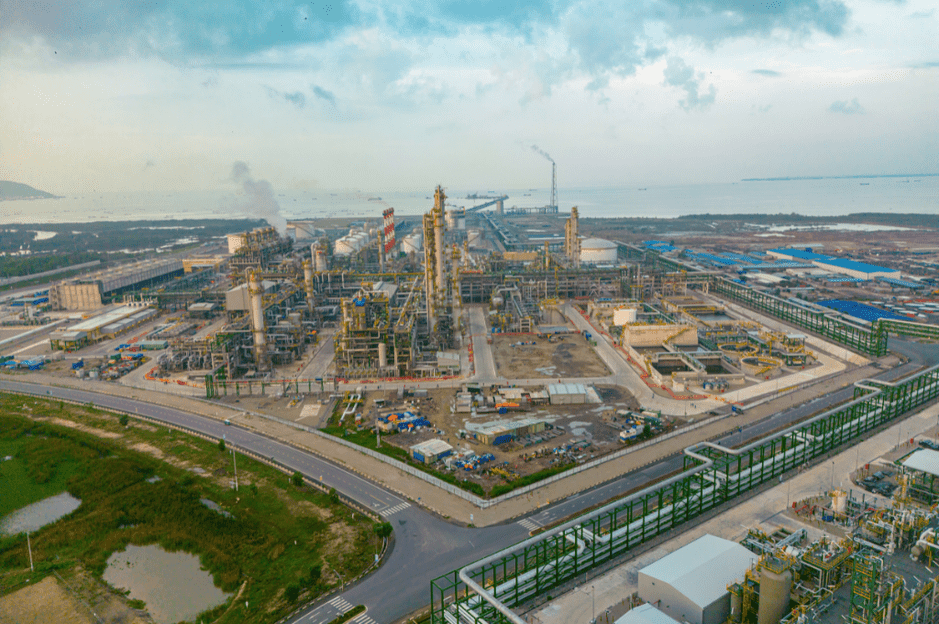
Saudi Arabia has established industrial cities designed specifically for manufacturing activities. These zones provide:
Fully serviced industrial plots
Reliable electricity and water supply
Road and logistics connectivity
Integrated services within industrial clusters
This ready infrastructure significantly reduces setup time and operational risk.
Competitive Energy & Operating Costs
Access to competitive energy pricing and industrial utility rates enhances manufacturing profitability and long-term sustainability.
Strong Government Support
The Saudi government actively supports industrial investors through financial programs, land solutions, regulatory guidance, and export facilitation.
Industrial Licensing in Saudi Arabia
An industrial license is mandatory for any manufacturing activity in the Kingdom. The licensing process ensures that projects meet regulatory, environmental, and technical standards.
Key Steps in the Licensing Process
1. Project Definition
Define manufacturing activity
Outline production capacity
Submit technical specifications
2. Regulatory Evaluation
3. Approval & Authorization
Additional approvals may be required depending on the project scope, including environmental permits, civil defense approvals, and municipal clearances.
A structured licensing approach helps prevent delays and ensures full regulatory alignment.
Land Allocation and Factory Setup Options
Industrial investors in Saudi Arabia can choose between different setup models depending on budget, scale, and timeline.
Raw Industrial Land
Ideal for large-scale or customized projects. Investors design and construct facilities based on operational requirements.
Shell Factories
Pre-built structures that allow faster interior fit-out and equipment installation.
Ready Factories
Turnkey facilities that allow immediate operational readiness with minimal construction involvement.
Industrial cities provide integrated infrastructure, including utilities, logistics support, and cluster-based ecosystems that enhance operational efficiency.
Industrial Project Financing
Saudi Arabia provides structured financial support to encourage manufacturing growth. Industrial projects typically combine multiple funding sources such as:
Government-backed industrial development loans
Commercial bank financing
Equity investment
Equipment and vendor financing
Long-term repayment periods, competitive rates, and grace periods reduce capital pressure during early operational stages.
Access to structured financing significantly improves project viability and scalability.
Local Content and Workforce Requirements
Localization plays an important role in Saudi Arabia’s industrial strategy. Manufacturers may need to align with:
Local content development targets
Saudi workforce employment requirements
Training and skill development initiatives
Ongoing compliance reporting
Meeting localization objectives strengthens competitiveness and improves access to long-term market opportunities.
Typical Industrial Project Timeline
With proper planning and coordination, an industrial project can move from concept to operations within approximately 12–18 months.
Key phases include:
Feasibility Study and Market Analysis
Industrial License Approval
Land Allocation
Financing Arrangement
Engineering Design and Permits
Construction and Equipment Installation
Testing and Commissioning
Commercial Production Launch
Efficient coordination across all stages helps reduce time-to-market and optimize capital investment.
Common Challenges in Factory Setup
Industrial projects are complex and capital-intensive. Common challenges include:
Navigating multi-level regulatory approvals
Coordinating between multiple government entities
Structuring optimal financing models
Managing construction timelines
Ensuring ongoing compliance
Professional advisory support can significantly reduce risks and improve execution efficiency.
Building Long-Term Industrial Success
Successful industrial investment in Saudi Arabia requires more than licensing approval. It requires:
Detailed financial modeling
Strong regulatory planning
Effective project management
Continuous compliance monitoring
Strategic expansion planning
With the right structure and execution strategy, Saudi Arabia offers a powerful platform for regional manufacturing growth and global competitiveness.